Frozen Pipes in the Charlotte Area: Lessons From the December 2022 Freeze
By Ultra Mold & Water Pros 6 min read
Quick answer
To prevent frozen pipes in North Carolina, keep the heat at 55°F or higher, insulate pipes in crawl spaces, attics, garages and exterior walls, disconnect garden hoses, open sink cabinets on outside walls, and let a faucet drip on the coldest nights. The December 2022 freeze showed why: Charlotte dropped to 9°F on Christmas Eve, Duke Energy cut power in rolling outages that same day, and pipes burst across the region as houses cooled and then thawed.
What happened in December 2022
An Arctic front swept into the Carolinas on December 23, 2022, with high winds and a fast temperature drop. By the morning of December 24, Charlotte had fallen to 9°F, according to the North Carolina State Climate Office's December 2022 recap, one of the coldest Christmas Eves on record there. The cold held through the holiday weekend.
On Christmas Eve, Duke Energy started rolling outages across the Carolinas because demand outran supply, the first time in the company's history it had used them. Roughly 500,000 customers lost power for a time, some for hours longer than planned. In homes heated by electric heat pumps, which are common in Piedmont houses, an outage on the coldest morning in years meant the house started losing heat right away.
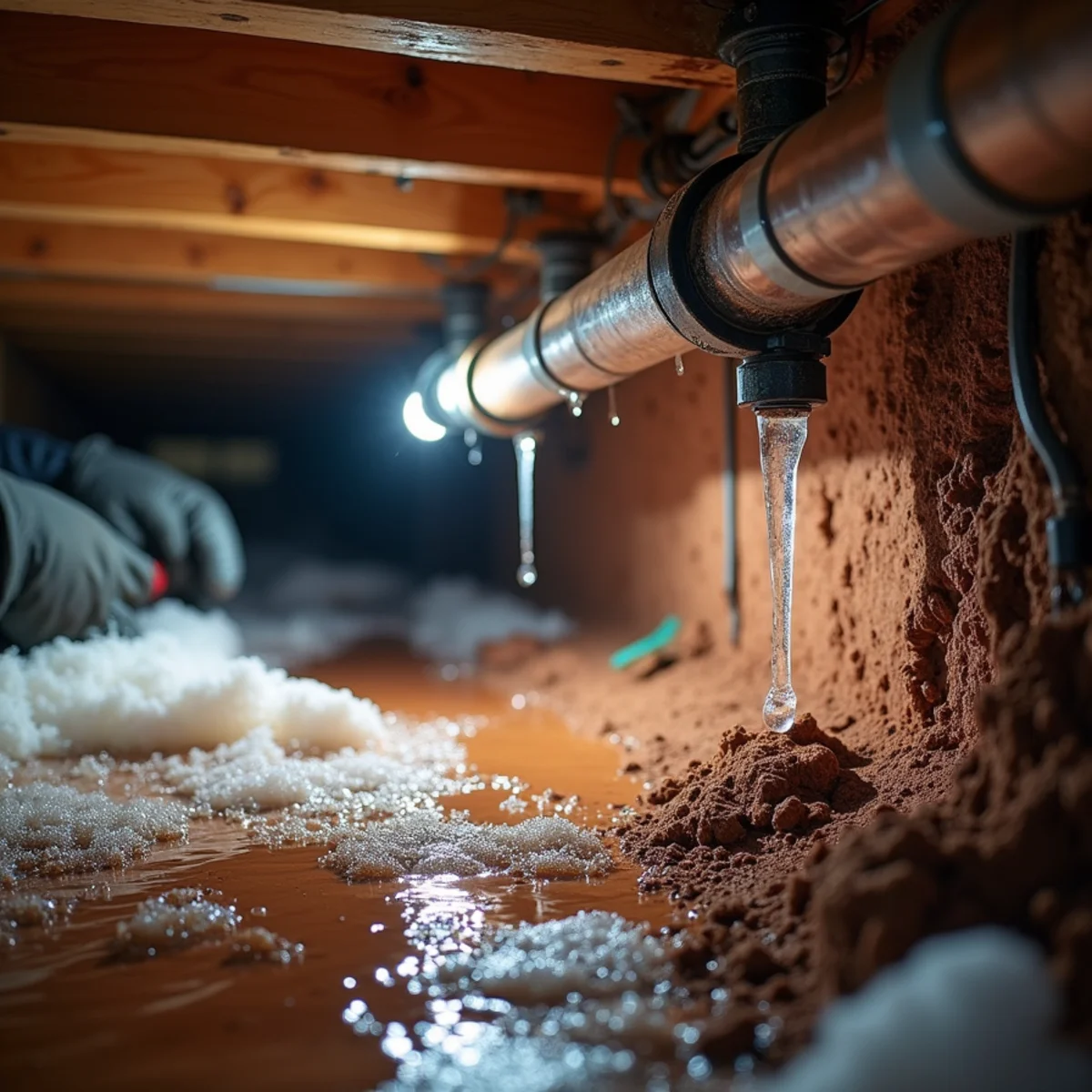
Burst pipes turned up across the Charlotte area over the following days. Some lines split while frozen, but many leaks only showed after the thaw, when water returned to a cracked pipe at full pressure. A lot of them were in crawl spaces, unseen until the floor above got wet.
Why Piedmont homes are vulnerable to a rare freeze
Houses here are built for mild winters. Hard freezes are rare, so water lines run where builders farther north would never put them: through vented crawl spaces, along exterior walls, into garages and up through attics.
- Vented crawl spaces let outside air move under the house. On a windy 9°F night, the air around the pipes is not far above the outdoor temperature.
- Heat pumps lose capacity as temperatures fall and lean on backup heat strips. When the power goes out, both stop.
- Bare pipes are normal here because insulation rarely matters, so lines that would be wrapped in Ohio are exposed.
- Wind pushes cold air through foundation vents, rim joists and the gaps around outdoor spigots.
Where pipes freeze in Charlotte-area homes
| Location | Why it freezes | What helps |
|---|---|---|
| Crawl space | Vents and open rim joists let cold air reach supply lines | Foam pipe insulation, vent covers in winter, sealed gaps |
| Exterior walls | Kitchen and bath lines on outside walls with thin insulation | Open cabinet doors, let a faucet drip |
| Garage | Unheated space with water heater or laundry lines | Keep the door shut, insulate exposed lines |
| Attic | Lines to upstairs baths or ice makers routed overhead | Insulation over the pipe, not just under it |
| Outdoor spigots | A hose left attached traps water in the valve body | Disconnect hoses, add covers, close and drain any interior shut-off |
A frost-free spigot only works if the hose is disconnected so the valve can drain.
Older homes in Concord and Kannapolis
Older housing east of Davidson along NC-73 carries extra freeze risk. Kannapolis grew from 1906 as the Cannon Mills company town, and many mill houses sit on low, open crawl spaces with supply lines that were added or rerouted long after the house was built. A frozen pipe in a Kannapolis mill house usually breaks under the floor, where it can run for hours unseen.
Concord's late-1800s and early-1900s homes in the Union Street historic districts have their own weak spots: plumbing added to houses built before indoor bathrooms, lines run through porches and additions that were never heated, and old galvanized pipe already narrowed by corrosion. Crews handling burst pipes and water cleanup in Concord often find these leaks behind plaster walls, which dry differently from drywall.
How to prevent frozen pipes before a hard freeze
- Keep the thermostat at 55°F or higher, even if you are away for the holidays, and skip the overnight setback during a deep cold spell.
- Insulate exposed pipes in the crawl space, garage and attic with foam sleeves, paying attention to lines near vents and the rim joist.
- Close or cover foundation vents for the coldest stretch.
- Disconnect garden hoses and cover outdoor spigots. If a spigot has an interior shut-off, close it and drain the line.
- Open cabinet doors under sinks on exterior walls so room heat reaches the pipes.
- Let a faucet drip on the coldest nights, both hot and cold, at the fixture farthest from where water enters the house. Moving water is slower to freeze, and an open tap relieves pressure.
- Find your main shut-off now and make sure it turns, so you are not hunting for it with water running.
- Plan for an outage. If the house will stay cold for many hours, consider shutting off the main and draining the lines.
Leaving town during a cold snap
- Leave the heat at 55°F or higher and put fresh batteries in the thermostat.
- If the house will sit empty through a hard freeze, shut off the main and open faucets, upstairs first and the lowest last, to drain the lines.
- With the water off, switch an electric water heater off at its breaker or set a gas unit to vacation or pilot, following the label on the tank.
- Ask a neighbor to walk through daily and look under sinks and at ceilings, and show them where the main is.
A fall and spring routine
- November: work through the checklist above while nobody is in a hurry, including a test turn of the main valve.
- Spring: reopen the vents as part of the summer moisture plan. The first time you use each outdoor spigot, check the wall or crawl space behind it. A frost-free valve that froze with a hose attached can split inside the wall and leak only when it is opened.
If a pipe freezes or bursts
Frozen but not leaking
If a faucet gives only a trickle or nothing, a pipe is probably frozen. Leave the faucet open and warm the suspect section with a hair dryer, heating pad or warm towels, working from the faucet back toward the cold spot. If you cannot find or reach the frozen section, call a plumber.
Burst or leaking
- Shut off the main water valve right away.
- Turn off power to wet areas at the breaker if you can reach the panel safely.
- Open faucets to drain the water left in the lines.
- Take photos and note the time.
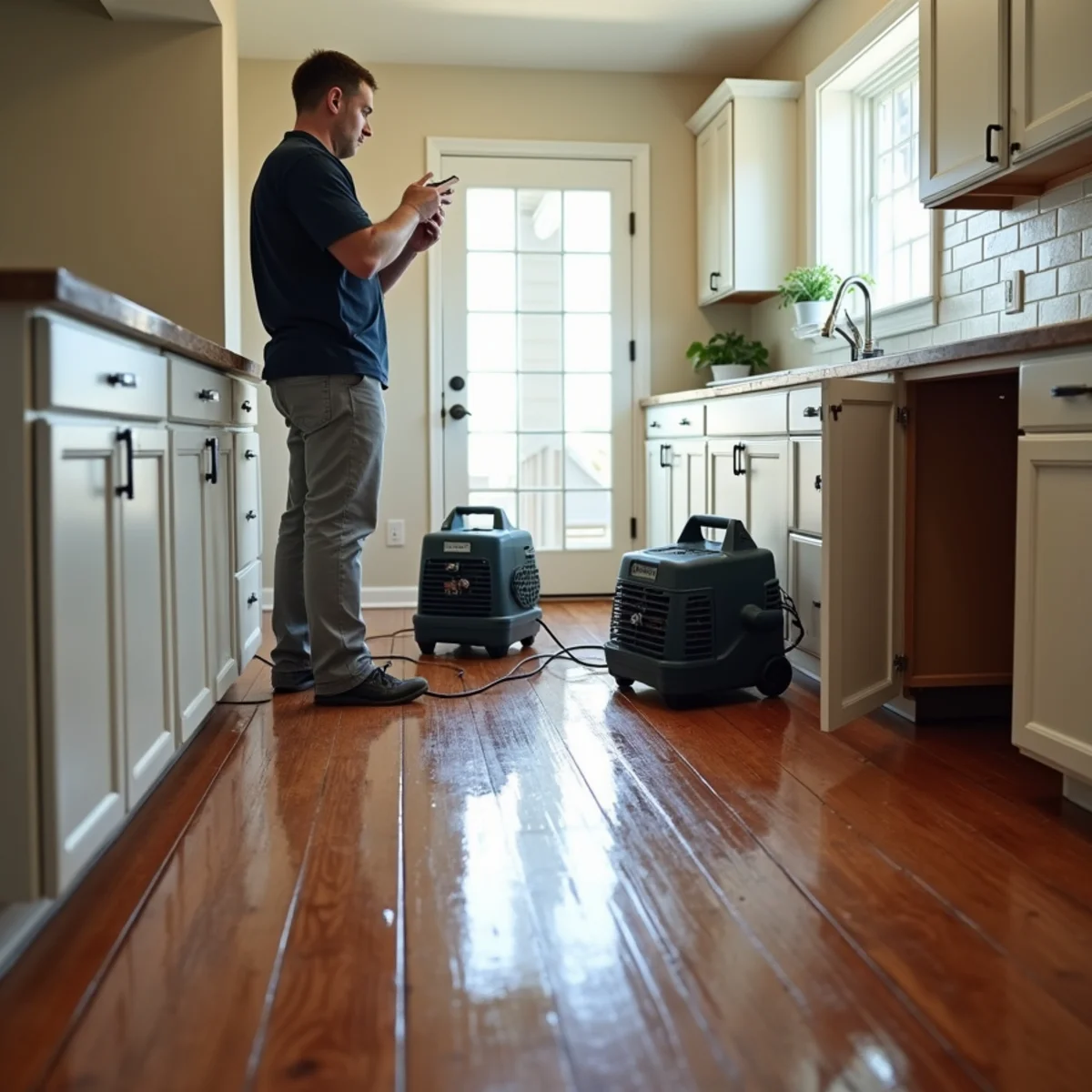
- Call a plumber for the repair and a crew for extraction and drying.
A frozen pipe may not leak until it thaws, so check the crawl space, garage and ceilings under attic runs as temperatures rise. Once water is on the floor or in the walls, burst pipe cleanup and drying is the next step. Call (831) 303-1192; the line is answered 24/7.
Drying out and dealing with insurance after a freeze
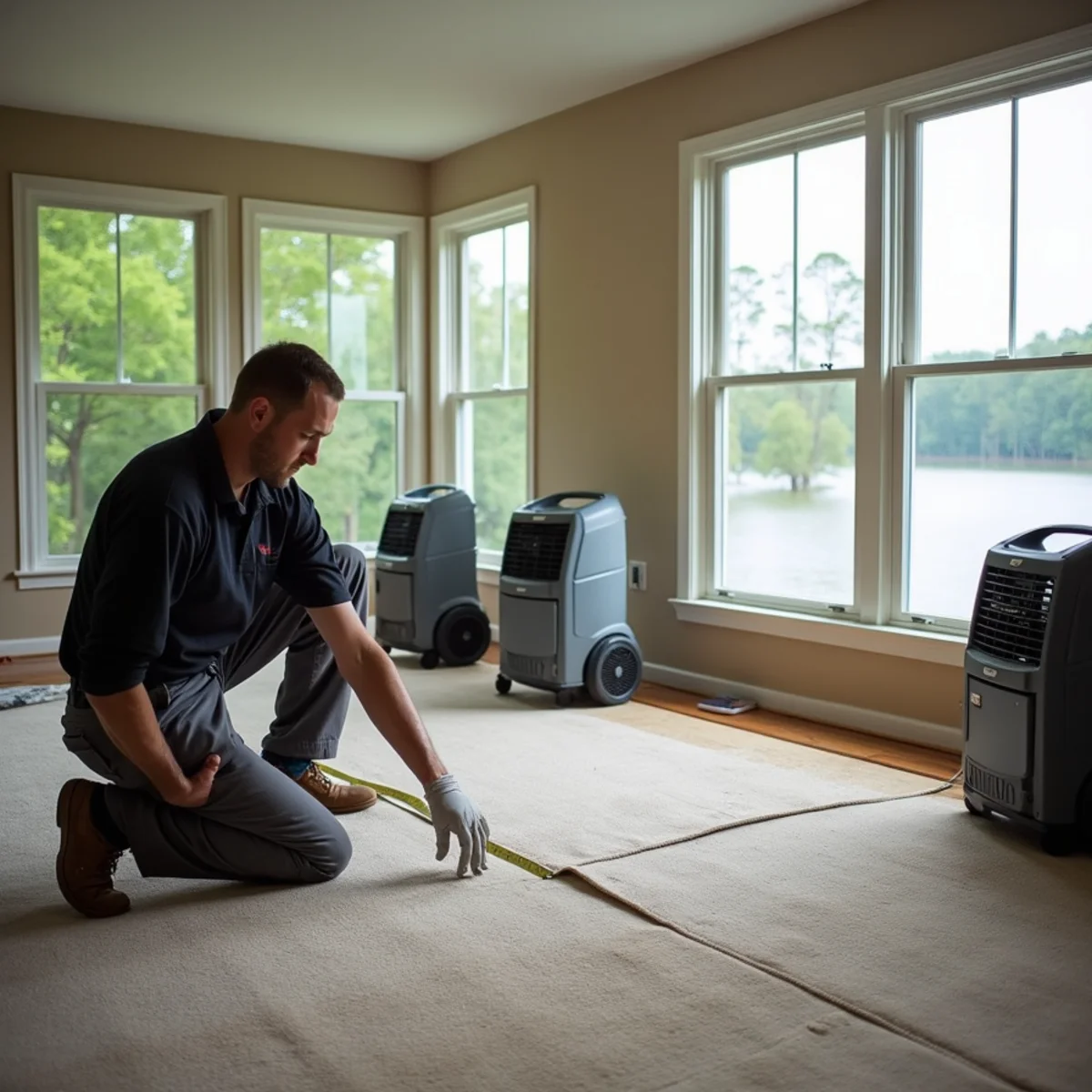
Freeze bursts tend to happen in the hardest places to dry: a crawl space, a wall cavity or an attic over a finished ceiling. Water from a supply line starts as Category 1, so framing and subfloor can usually be dried in place if drying begins within 24 to 48 hours, the window in EPA's guide to mold and moisture. Soaked insulation usually comes out, and prompt crawl space water cleanup keeps the leak from becoming mold under the house.
Standard homeowners policies in North Carolina usually cover sudden and accidental water damage from a burst pipe, though many do not pay to repair the failed pipe itself. Many also expect a vacant home to have been kept heated, or the water shut off and drained. Read your own policy and ask your agent or adjuster. Photos, the time you found the leak and daily drying records all help.
Freeze-specific records for the claim
- A photo of the thermostat setting, plus its history if it is a smart thermostat.
- Start and end times of any power outage, from the utility's texts or outage map.
- The dates you left and came back, if the house was empty.
- The plumber's note that the pipe split from freezing.
Timing matters too. A freeze crack that drips into a crawl space for weeks after the thaw starts to look like a long-term leak, which policies treat differently from a sudden burst, so walk the crawl space a few days after every hard freeze. The North Carolina Department of Insurance covers policy basics on its homeowners insurance pages for consumers.
Related questions
At what temperature do pipes freeze in North Carolina homes?
Water freezes at 32°F, but a pipe freezes when the space around it gets that cold, not when the outdoor reading does. A pipe in a heated kitchen wall may be fine at 15°F outside, while a bare line in a windy vented crawl space can freeze at much milder outdoor temperatures. Wind and how long the cold lasts matter as much as the overnight low.
Should I drip my faucets every time it freezes?
Not for an ordinary frost. Dripping makes sense on the rare nights that drop into the teens or low 20s, especially for faucets on exterior walls or fed by crawl space lines that have frozen before.
Should I close my crawl space vents in winter?
Closing or covering them during a hard freeze keeps the air around the pipes warmer. Reopening them in spring, or settling on a long-term moisture plan for the summer, is a separate decision tied to Lake Norman humidity.
Will insurance cover a pipe that froze while we were away?
Often yes for the resulting water damage, if the heat was kept on or the water was shut off and drained. Policies vary, so read yours and ask your agent or adjuster.
The pipes thawed and nothing leaked. Are we in the clear?
Probably, but check once. Turn off every faucet and water-using appliance and watch the water meter: if the dial or leak indicator still moves, water is going somewhere. Then look in the crawl space and under sinks on outside walls, and watch ceilings under attic runs for a few days.