A fire is over in minutes, but the smoke, soot and water it leaves behind keep damaging a house for days. Acidic soot starts etching glass and pitting metal fixtures, smoke odor works into drywall and fabrics, and the water used to put the fire out soaks floors, walls and the crawl space below.
Ultra Mold & Water Pros connects Davidson, NC homeowners and landlords with independent restoration technicians who board up and tarp, clean soot and smoke, remove odor and dry firefighting water. Call (831) 303-1192 at any hour. You get the scope and price in writing before work starts, and the photos and contents list your adjuster will ask for.
Reviewed by the Ultra Mold & Water Pros team · Published · Updated · Process references: ANSI/IICRC S500 and S520 practices, EPA moisture and mold guidance, NC general contractor rules
The short answer
Fire damage restoration in Davidson starts once fire officials clear you to go back in. The crew boards up openings, tarps the roof, extracts firefighting water and starts drying, then removes soot with HEPA vacuums and dry sponges before wet cleaning. Odor is treated at the source and sealed, and everything is documented for your adjuster.
What happens after the fire department leaves
In town, calls go to the Davidson Fire Department. Once the fire is out, the officer in charge decides when it is safe to go back inside. Do not re-enter before you are told you can, and if the power or gas was shut off, leave it off until the utility or a licensed electrician says otherwise.
The first day, in order
- Call your insurer to report the fire and ask about temporary housing if the house is not livable.
- Ask the fire department how to get a copy of the incident report for your claim.
- Photograph and video every room before anything is moved or cleaned.
- Secure the house: broken windows, a forced door and a vented roof need board-up and tarping right away.
- Keep the heating and cooling system off so it does not pull soot through the ducts.
- Leave soot alone. Wiping it smears it into paint and fabric.
Most homeowners policies require reasonable steps to prevent further damage, which is why securing the house and drying the water should not wait for the adjuster's first visit. Read your policy and ask your agent or adjuster.
Smoke and soot cleanup: walls, ceilings, ductwork, contents
Soot is not all the same. Crews identify the residue first, because it decides the cleaning method:
- Dry smoke from fast, hot fires in wood and paper: powdery and easier to lift.
- Wet smoke from smoldering plastics and foam: sticky, smeary and strong-smelling.
- Protein residue from burned food: a thin, nearly invisible film with a heavy odor.
- Fuel residue from oil or fuel sources: dense and greasy.
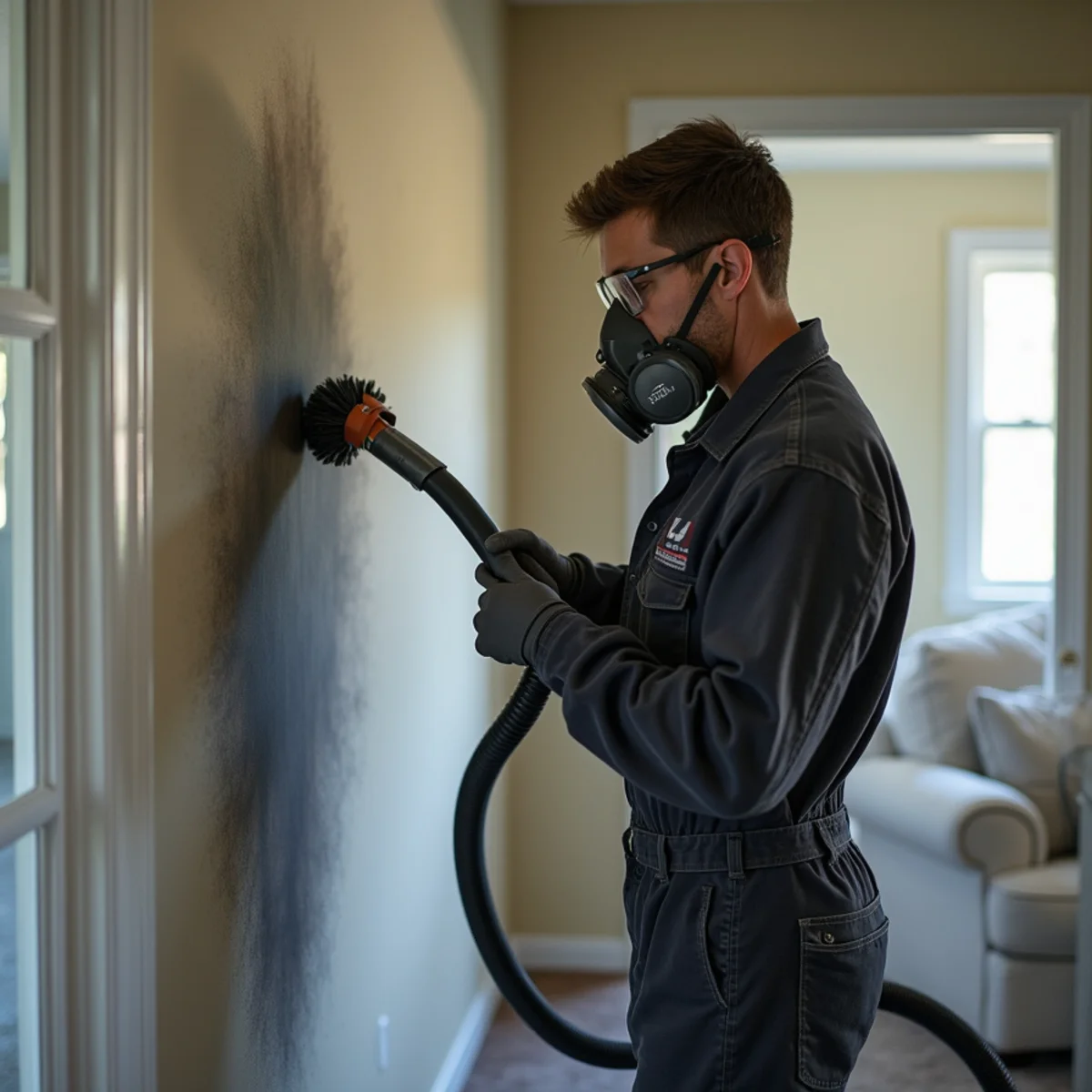
Walls and ceilings are HEPA vacuumed and wiped with dry chemical soot sponges before any liquid touches them, then wet cleaned with a cleaner matched to the residue. Metal fixtures and glass are cleaned early, because acidic soot can etch and pit them within days. Ductwork that ran during or after the fire is inspected and cleaned, and filters are replaced.
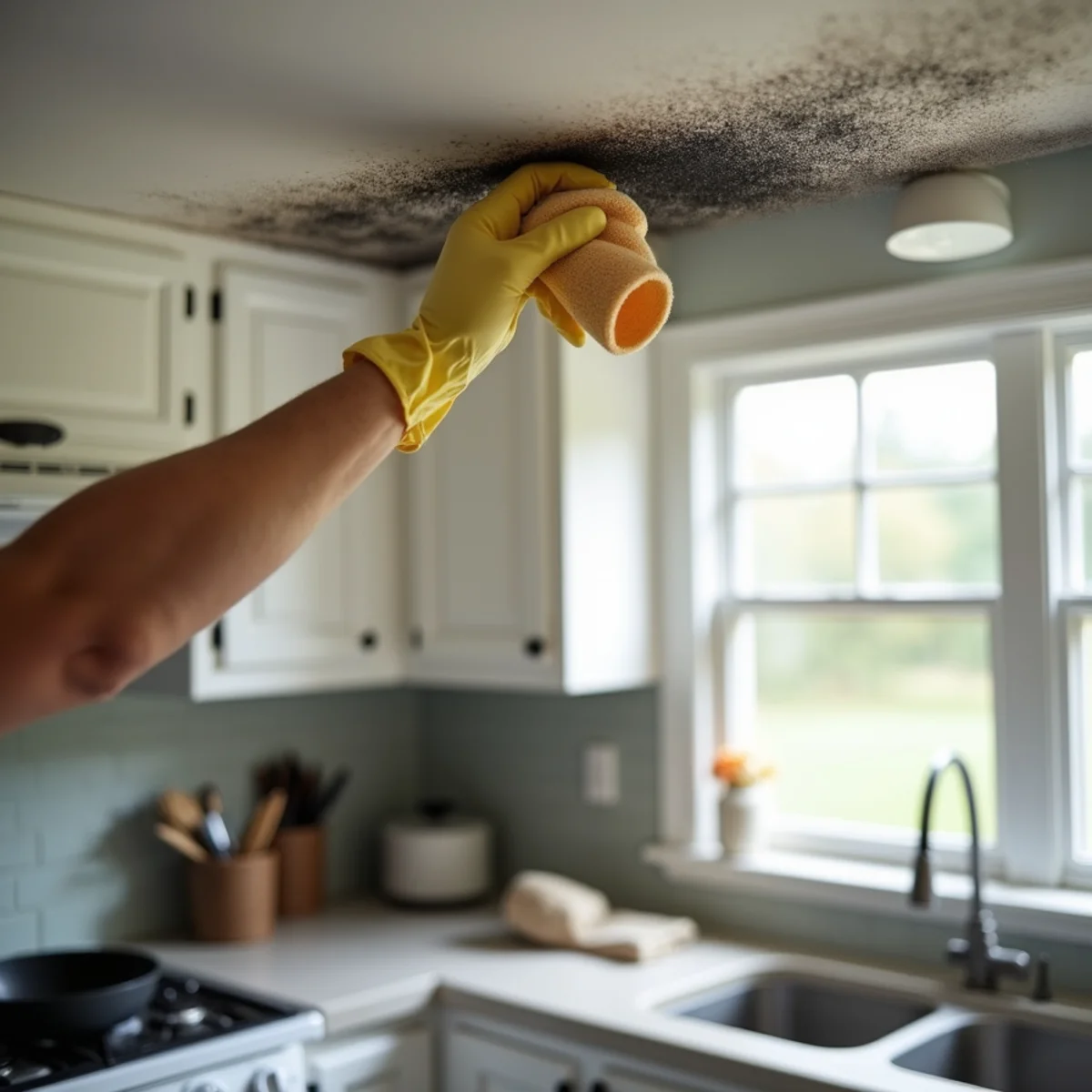
Contents are sorted room by room: what can be cleaned on site, what goes out for specialized cleaning, and what is beyond saving. Electronics stay unplugged until someone qualified has cleaned and checked them.
Contents: clean on site, pack out, or list as a loss
Belongings often take more time than the walls. After a larger fire, rooms are usually packed out so ceilings and walls can be cleaned and dried, with every box labeled by room.
- Cleaned on site: hard furniture, dishes, glass and metal pieces with light residue.
- Sent out: clothing, drapes and bedding for smoke-odor laundering or dry cleaning; electronics and paper documents to specialists.
- Listed as a loss: anything charred, melted or still holding odor after cleaning, photographed and described before it leaves the house.
Ask for the inventory as it is built, not at the end. It becomes the contents list your adjuster works from.
Water from firefighting: extraction and drying
Even a small fire can leave a room soaked, and the water does not stay where it landed. It runs through subfloor seams, soaks wall cavities and pours into the crawl space under most Davidson homes, where it saturates insulation and raises humidity under the whole floor.
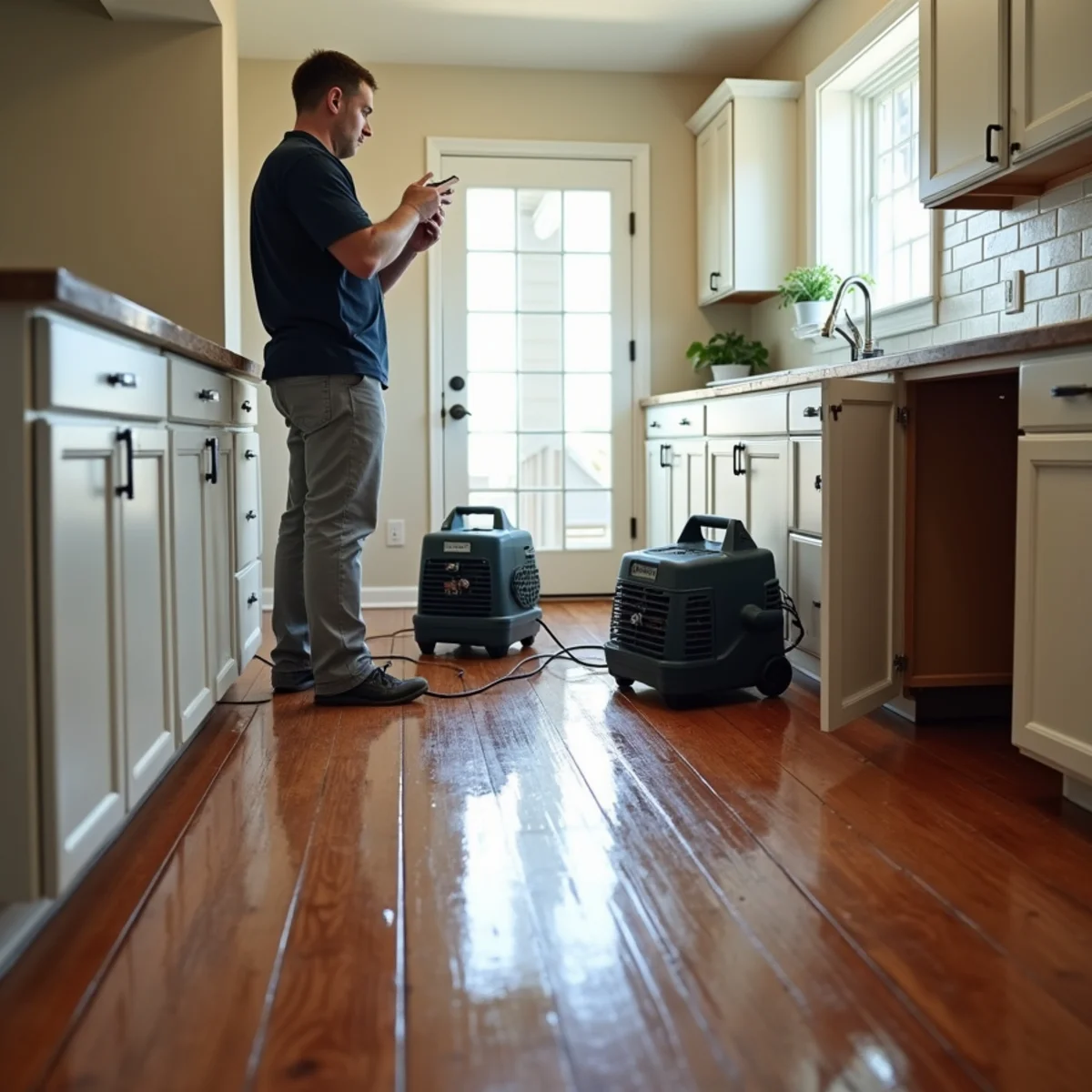
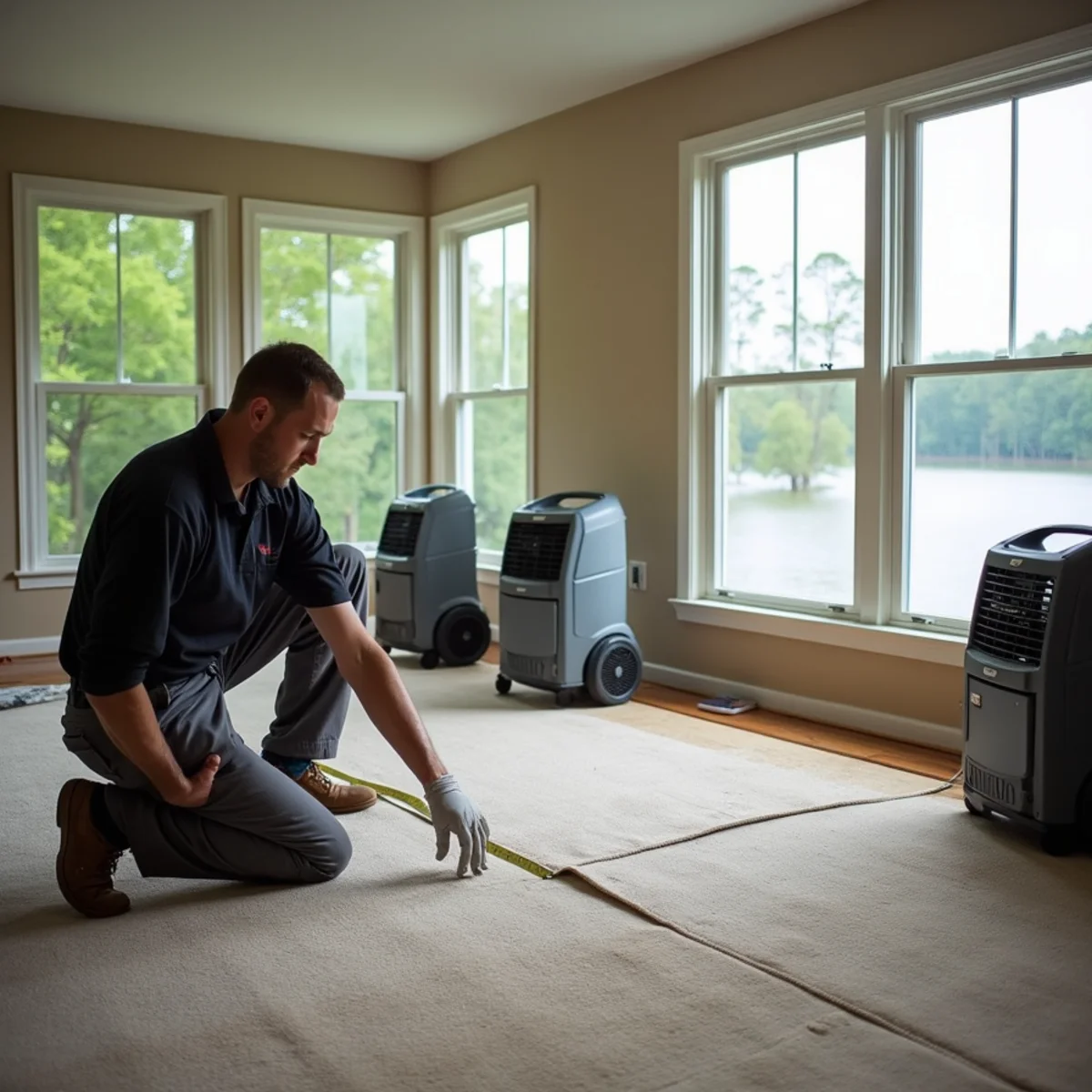
That water needs the same treatment as any other water loss: extraction, removal of soaked drywall and insulation, then air movers and dehumidifiers with daily moisture readings. The EPA's mold and moisture guide advises drying wet materials within 24 to 48 hours to prevent mold growth, so drying runs alongside the soot work. Our pages on water extraction and structural drying and crawl space water cleanup cover those steps in detail.
Firefighting water is not clean water. It has run through burned materials and carries soot, ash and debris, so crews handle it as contaminated: soaked porous materials are more likely to come out, and surfaces are cleaned before they are dried. Drying is finished when readings in the framing and subfloor match dry material in an unburned part of the house, not when the carpet feels dry. Ask to see those final readings before any rebuild starts.
Kitchen fires and protein smoke odor
Kitchen fires are the most common fire calls, and many never spread past the stove. They still leave protein residue: a yellowish, greasy film that is hard to see on light paint but carries a sharp burned-food smell into every room the air reaches.
- Cabinet interiors, the range hood and the duct above it are degreased, inside and out.
- Walls and ceilings throughout the house are checked, since protein residue travels far beyond the kitchen.
- Open food, spices and anything stored in porous packaging near the fire are thrown out.
- The microwave and range hood fan are checked for heat damage before anyone uses them.
How smoke odor is removed
Smoke odor comes from residue, so the first step is always cleaning. Sprays and candles only cover the smell for a few hours. Once the source is cleaned, crews use one or more of these methods:
| Method | How it works | Occupied? |
|---|---|---|
| Cleaning and source removal | Removes the residue that carries the smell | Yes, outside the work area |
| Hydroxyl generators | Break down odor molecules in the air slowly | Yes, safe while occupied |
| Ozone | Oxidizes odor fast | No: people, pets and plants out |
| Thermal fogging | A heated deodorizer reaches where smoke went | No |
| Sealing primers | Lock remaining odor into cleaned framing and drywall | Yes, once dry |
| HVAC cleaning | Removes soot in ducts that would recirculate it | Yes |
When you compare crews, ask whether the work plan follows ANSI/IICRC S700, the industry standard for fire and smoke restoration.
Board-up and roof tarping
Firefighters break windows and cut holes in roofs to vent heat and smoke. That leaves the house open to rain, animals and theft. Board-up covers broken windows and doors with plywood fastened from outside, and a heavy tarp secured over battens keeps a vented or burned roof dry until it is rebuilt.
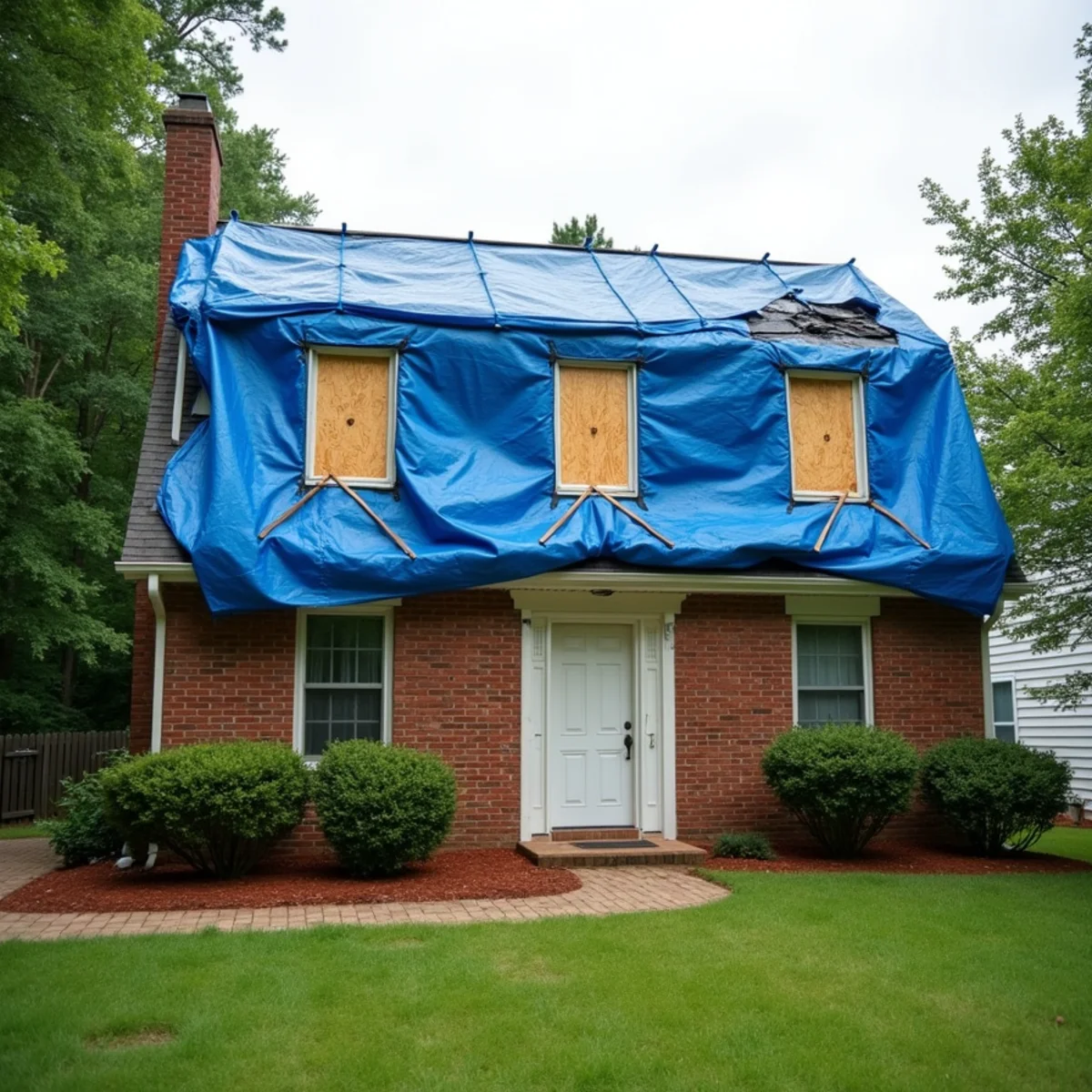
This is a step to take quickly, especially in summer, when an afternoon thunderstorm can pour water into an open roof. Keep the receipt and the photos for your claim. If storm water is already coming in, our 24/7 emergency water damage line handles that call too.
Working with your adjuster: scope, photos, contents list
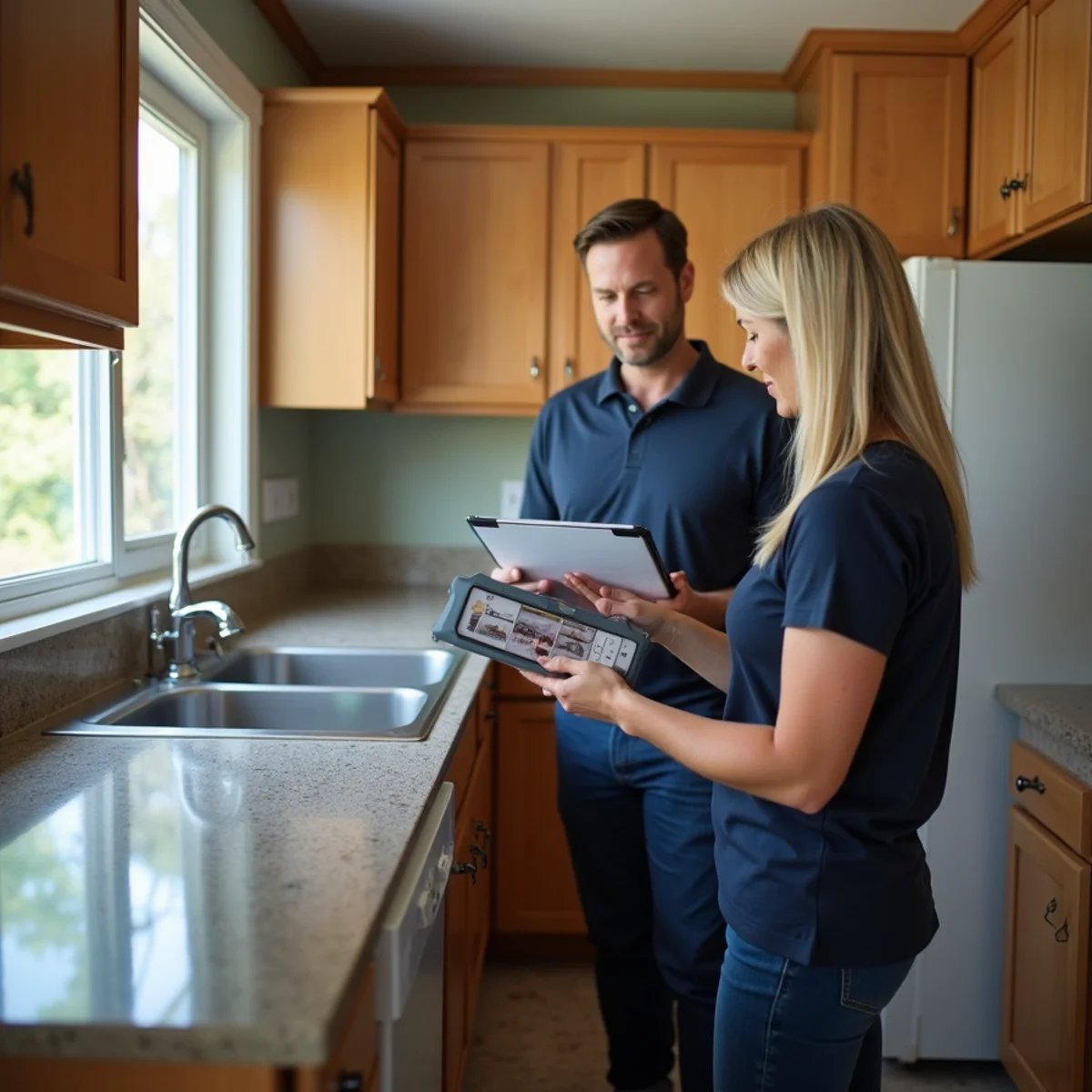
Fire and smoke damage are generally covered by homeowners policies, but the claim is only as good as the record behind it. The crew builds that record as it works:
- Photos of every room before, during and after cleaning.
- An itemized scope listing each surface, the method and what is replaced instead of cleaned.
- A room-by-room contents list of damaged and discarded items.
- Moisture readings and daily drying logs for the firefighting water.
- A crew member who can meet the adjuster on site.
Keep damaged items until the adjuster has seen them, and save receipts for temporary housing and meals. Public adjusters, who represent the policyholder for a fee, are licensed in North Carolina by the Department of Insurance. Our guide to homeowners insurance in North Carolina covers the water side of a fire claim.
Ask your adjuster early what the policy allows for temporary housing, often called loss of use or additional living expense, and which receipts it needs. The North Carolina Department of Insurance publishes consumer guidance on homeowners insurance and is the state agency to contact if a claim stalls.
Rebuild work and North Carolina's general contractor rule
Cleanup and rebuild are different jobs. North Carolina requires a licensed general contractor for construction projects costing $40,000 or more (G.S. 87-1), and a large fire rebuild often crosses that line. Electrical and plumbing repairs need NC-licensed electricians and plumbers whatever the size. You can look up any contractor on the NC Licensing Board for General Contractors website.
From cleanup record to rebuild plan
A good rebuild plan starts from the cleanup record, not a fresh guess. The rebuild estimate is its own document, approved separately from the cleanup scope, and it should show:
- Which surfaces are replaced and which were cleaned and sealed, matching the cleanup scope room by room.
- Framing, drywall, insulation and flooring replaced because of fire or water, with the moisture readings that cleared each area for closing up.
- Sealing primer and paint over smoke-affected areas, and any ductwork replaced rather than cleaned.
- Electrical and plumbing work by licensed trades, and who pulls the building permits.
- How the price was built (Xactimate line items or another method), the payment milestones and how change orders are approved.
Every restoration technician we send is licensed where North Carolina requires it, and insured. Cleanup crews work across Davidson, Concord and our other service areas near Lake Norman. Call (831) 303-1192 to describe the damage and get a written scope.
Why Davidson calls Ultra Mold & Water for fire & smoke damage
A live answer, day or night
Fires do not keep office hours. Call (831) 303-1192 any time and a person answers and sends the nearest available crew.
Scope and price in writing
Each surface, method and replacement is listed and priced before the crew starts.
Photos and a contents list
Every room is photographed and damaged belongings are listed, giving your adjuster a clear record.
Water dried with daily logs
Firefighting water is extracted and dried with moisture readings logged daily, and a crew member can meet the adjuster on site.
Every restoration technician we send is licensed where North Carolina requires it, and insured.
Fire & Smoke Damage: common questions from Davidson homeowners
Can I stay in my home after a small fire?
Sometimes. If the fire stayed on the stovetop, the power and gas are safe, and smoke did not spread through the house, many families stay while the kitchen is cleaned. Leave if fire officials say the house is unsafe, if the HVAC spread soot, or if anyone has asthma, heart or lung conditions and their doctor advises against it.
Can smoke smell really be removed from a house?
In most cases, yes, when the residue is cleaned out first. Odor that lingers after cleaning is treated with hydroxyl generators, ozone or thermal fogging, and anything still holding odor is sealed with a primer before painting. Heavily burned porous materials are replaced instead.
Who handles the rebuild after the cleanup?
A general contractor. In North Carolina, a project costing $40,000 or more requires a licensed general contractor, and electrical and plumbing work needs licensed trades. The cleanup crew's scope, photos and moisture readings give the contractor and your adjuster a clear starting point.
How soon should cleanup start after a fire?
As soon as fire officials let you back in. Board-up and tarping should happen right away, firefighting water needs drying within 24 to 48 hours, and acidic soot starts damaging metal and glass within days. Report the fire to your insurer right away, but do not wait for the adjuster before securing the house and drying it.
Can smoke-damaged clothes, furniture and electronics be saved?
Much of it can. Clothing, bedding and drapes often come clean with specialized smoke-odor laundering, and hard furniture usually cleans well. Upholstery and mattresses near the fire are harder, because smoke works deep into the foam. Electronics should stay unplugged until a specialist has cleaned and tested them, since soot inside them can corrode circuits. Anything that cannot be cleaned is photographed and listed for your adjuster before it goes.
Can the water used to put out the fire cause mold?
Yes, if it is left to sit. Water from fire hoses soaks into walls, subfloor and the crawl space like any other leak, and EPA guidance is to dry wet materials within 24 to 48 hours to prevent mold growth. That is why drying starts alongside the soot work instead of after it. If mold has already appeared, our mold remediation page explains how it is removed.
Fire & Smoke Damage beyond Davidson
The same crews cover the Lake Norman towns around Davidson, 5 to 35 minutes out by I-77, NC-115 and NC-73. See how fire & smoke damage plays out in the housing stock of each town, or view all water damage service areas.
- Fire & Smoke Damage in Cornelius
- Fire & Smoke Damage in Mooresville
- Fire & Smoke Damage in Huntersville
Also serving Kannapolis and Concord.