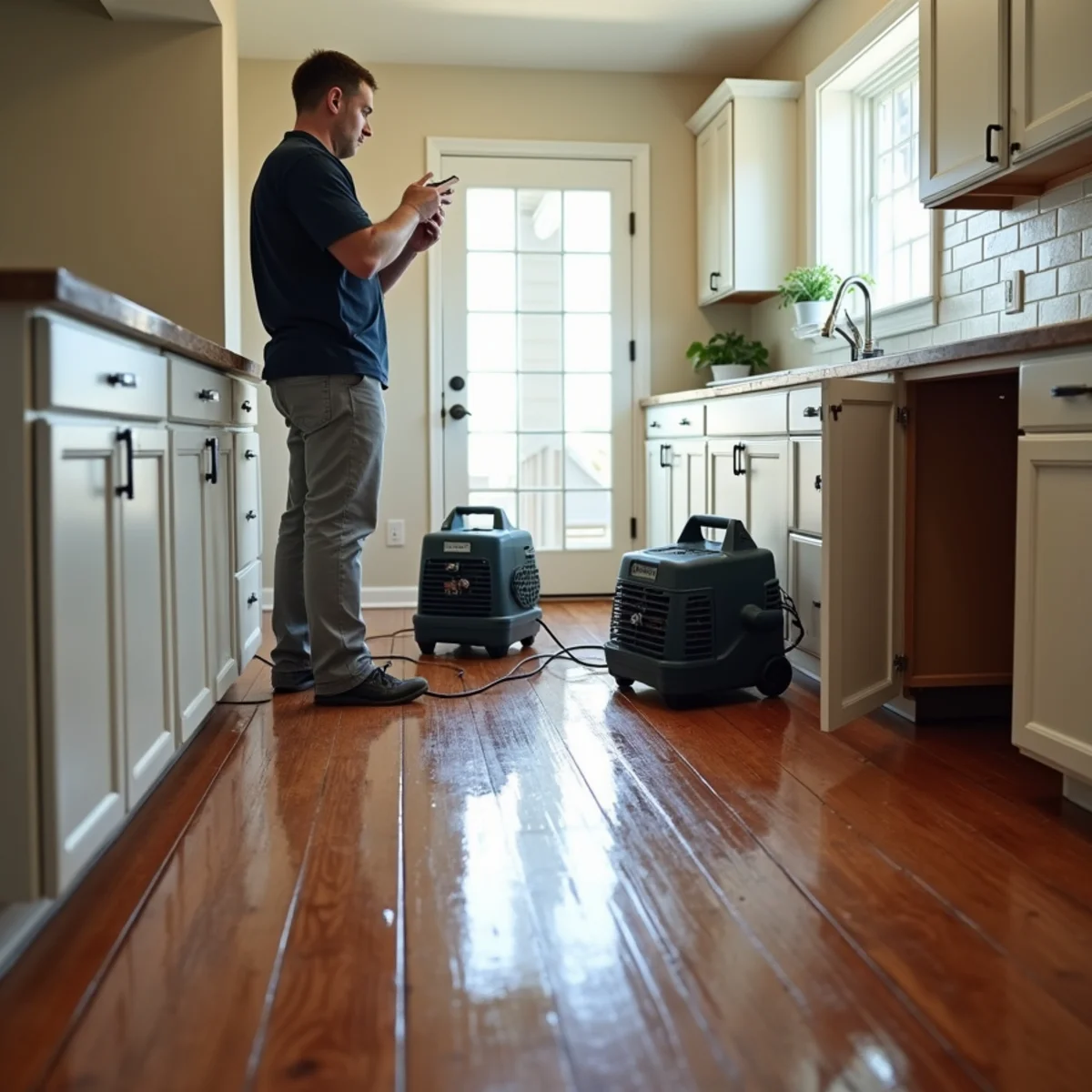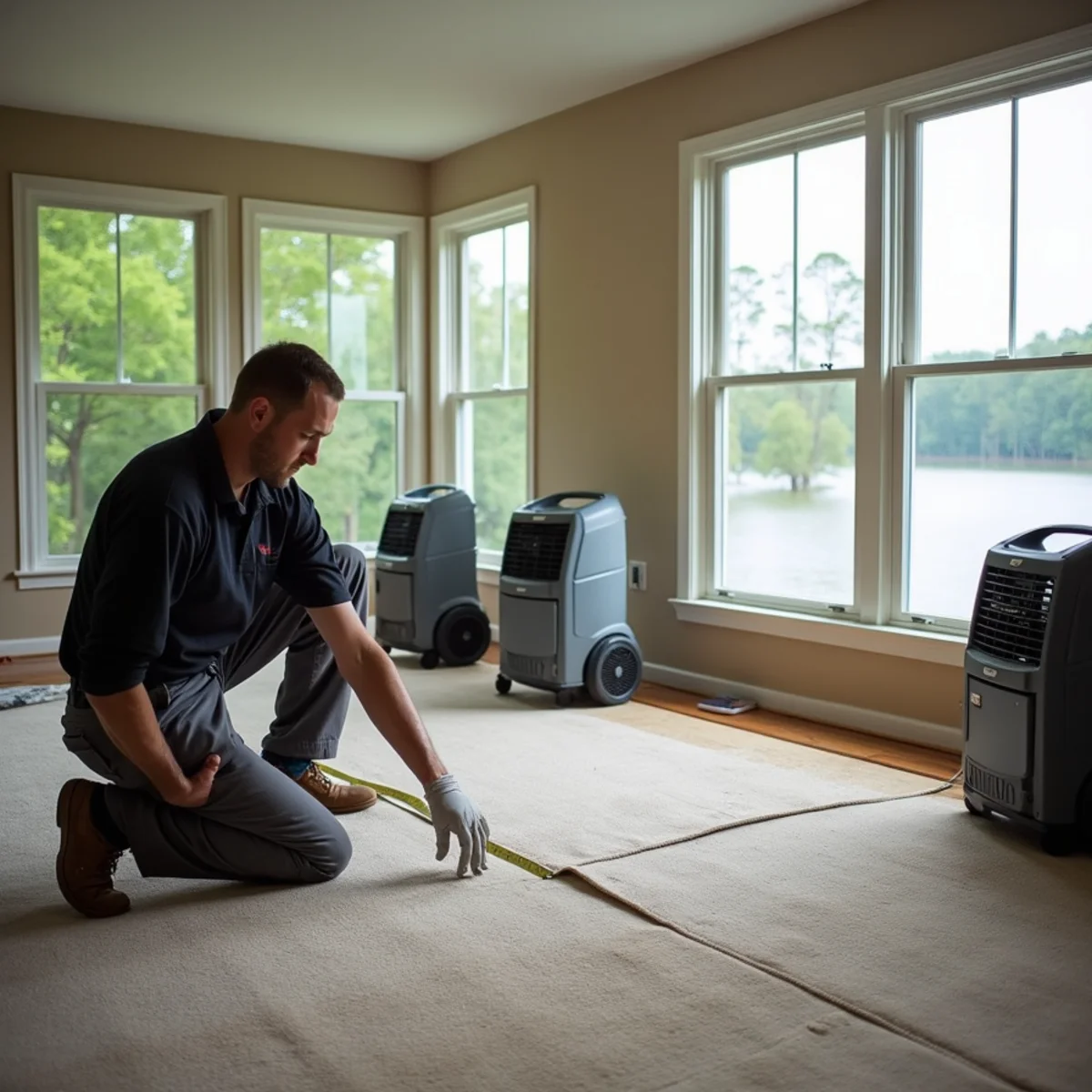
Does Homeowners Insurance Cover Water Damage in North Carolina?
By Ultra Mold & Water Pros 6 min read

Quick answer
Often, yes, if the water damage is sudden and accidental. A standard North Carolina homeowners policy (usually an HO-3) typically covers damage from a burst pipe, a failed supply line or an appliance that suddenly leaks. It usually does not cover long-term leaks or seepage, wear and tear, flood or rising surface water, or sewer backup unless you added a water backup endorsement. Mold is often excluded or capped. Coverage depends on your exact policy, so read it and ask your agent or adjuster. This is general information, not legal or insurance advice.
Sudden and accidental vs slow and gradual
Almost every water claim turns on one question: did the water escape suddenly, or did it leak over weeks or months? Policies are written to cover the first. The second is treated as maintenance, through exclusions for repeated seepage, wear and tear, deterioration and rot.
That is why the evidence you collect in the first hours matters. Photos of the split hose, the water line on the drywall, and a dry crawl space everywhere except under the leak all help show a sudden event. Rotted subflooring, old staining and mold that clearly took months to grow point the other way.
| What happened | Usual treatment | Notes |
|---|---|---|
| Pipe bursts in a wall or freezes and splits | Resulting damage usually covered | The pipe repair itself may not be |
| Washer hose or ice maker line fails | Resulting damage usually covered | Keep the failed part |
| Toilet supply line leaks slowly for months | Often denied as gradual | Hidden-leak wording varies by policy |
| Heavy rain floods the lower level or crawl space | Excluded as flood or surface water | Needs a separate flood policy |
| Sewer line backs up into a shower or floor drain | Usually excluded | Covered only with a water backup endorsement |
| Mold after a covered burst pipe | Sometimes covered, often capped | Read the mold limit in your policy |
Burst pipes, supply lines and appliance leaks
These are the classic covered losses. When a supply line under a vanity lets go or a pipe in an exterior wall freezes, as many did across the Charlotte area in the December 2022 cold snap, most policies pay to tear out and dry the affected materials and to repair the walls, floors and cabinets afterward.
What many policies leave out is the failed part itself: the cracked fitting, the worn hose, the rusted water heater tank. Expect to pay the plumber for that piece. Many Huntersville subdivision homes built in the 1990s and 2000s are now at the age where original hoses and water heaters fail, so this situation is common. Our page on burst pipe and appliance leak cleanup walks through the cleanup side.
Flood and rising water: a separate policy
Homeowners policies exclude flood, which generally means surface water from outside: a creek over its banks, storm runoff pouring into a walk-out lower level, water rising through the crawl space vents. Flood coverage comes from a separate policy through the National Flood Insurance Program (NFIP) or a private flood carrier.
- NFIP policies usually have a 30-day waiting period before coverage starts, so buying one when a storm is in the forecast does not help with that storm.
- You do not need to be in a mapped flood zone to buy flood insurance. Lake Norman is a dam-controlled reservoir, but slow-draining Piedmont red clay and poor yard grading still send storm water toward foundations.
- Helene in September 2024 is the local example. Lake Norman barely rose, but homes on Mountain Island Lake and along the Catawba River below Cowans Ford Dam flooded, and most of those owners needed a flood policy, not a homeowners policy.
One storm, two kinds of claim
A summer thunderstorm can do both. Wind drops a limb through the roof and rain comes in through the opening, which many homeowners policies treat as storm damage; the same storm pushes runoff down a sloped yard and through a walk-out door or the crawl space vents, which is surface water for a flood policy. Photograph each way in separately and expect separate deductibles if two policies respond.
Sewer and drain backup: the endorsement question
A sewer backup is not a burst pipe and not a flood, and most base policies exclude it. Coverage usually comes from a water backup endorsement (sometimes called sewer or drain backup coverage) added for a modest extra premium, typically with its own dollar limit.
Check your declarations page for it now, and note the limit: a sewage cleanup in a finished lower level, with carpet, pad, drywall and contents removed, can use up a small limit quickly. Who fixes the pipe also matters. In Davidson, Cornelius and Huntersville, Charlotte Water handles the public main, while the private line from the house to the connection is generally the owner's; check with your utility for the exact boundary.
Mold: exclusions and caps
Many policies exclude mold outright or limit it to a set dollar amount, often only when the mold results from a covered sudden loss. Mold from a leak that ran for months, or from long-term humidity in a vented crawl space, is usually treated as a maintenance issue.
The practical takeaway is speed. Mold usually needs a day or two of wet material to get started, which is why EPA guidance sets a 24 to 48 hour drying target. When water extraction and drying start within hours of a covered burst pipe, there is often no mold claim to argue about at all.
Your duties after a loss, and how to document it
Policies require you to take reasonable steps to prevent further damage: stop the water, start drying, tarp a roof opening. Waiting days for an adjuster while the subfloor soaks can give an insurer grounds to reduce what it pays.
- Stop the water and make the area safe. Our first 24 hours checklist covers the order.
- Photograph and video every wet room and the failed part before anything moves. Keep the part.
- Report the loss to your insurer or agent promptly and write down the claim number.
- Start mitigation and keep every receipt.
- Ask for moisture readings, daily drying logs and an itemized scope in writing.
- List damaged contents with photos, approximate age and what you paid.
Ask your coverage questions in writing
After reporting the loss, send your questions by email so the answers are on record:
- Is the resulting damage covered, and is the failed part itself excluded?
- What is my deductible for this loss, and is there a dollar cap on mold or water backup?
- Do you need to see damaged materials before they come out, or are photos and a sample enough?
- If we have to move out during repairs, does the policy pay for lodging (loss of use)?
- Are contents paid at replacement cost or actual cash value?
Keep the answers in one claim file with your timeline (when the water was found, how it was stopped), the plumber's invoice naming the cause, receipts and the crew's readings through the final dry ones. Send the adjuster the same facts you keep and save a copy of everything.
Ultra Mold & Water Pros does not decide or promise coverage; only your insurer does. What the crews we send can give you is the record an adjuster looks for: photos, moisture readings, daily drying logs, an itemized scope, a contents list, and a technician who can meet the adjuster on site. Call (831) 303-1192 if you need water removed while the claim gets started.
Where to get help if the claim gets stuck
Ask the adjuster to explain any denial or reduction in writing, citing the policy language. Most disagreements are about scope or cause.
Scope differences are common. Many adjusters and contractors price in the same line-item software, Xactimate, so the versions can be compared line by line: a missing equipment day, a wall one side expected to dry in place, a crawl space left off. The contractor explains its photos and readings; the insurer decides what is paid.
- North Carolina Department of Insurance. NC DOI publishes consumer guidance on homeowners insurance and runs a consumer services division that takes questions and complaints about insurers.
- Public adjusters. These are adjusters who work for the policyholder, for a fee that is usually a percentage of the settlement. In North Carolina they must be licensed by the NC Department of Insurance, which you can check before signing anything.
- An attorney. For large or denied claims, a lawyer who handles insurance disputes can review the policy.
Related questions
Does homeowners insurance cover a burst pipe in North Carolina?
Usually the resulting water damage is covered when the burst is sudden and accidental, including frozen pipes in a heated home. The repair of the failed pipe itself may not be. A leak that ran slowly for months is often denied as gradual.
Is flood damage covered if I live near Lake Norman?
Not by a standard homeowners policy. Flood and rising surface water need a separate policy through the NFIP or a private flood carrier, and NFIP coverage usually starts after a 30-day waiting period.
Will my insurance pay for mold removal?
Sometimes, within a set limit, when the mold came from a covered sudden loss. Mold from long-term leaks or crawl space humidity is usually excluded. Check the mold section of your policy for the cap.
Do I have to wait for the adjuster before starting cleanup?
Generally no. Policies expect reasonable steps to prevent further damage, so stop the water, document it, report the claim and start drying. Keep the photos, readings and receipts so the adjuster can see what was done.
When does water damage become an insurance claim?
When the loss is sudden and may cost more than your deductible, report it once the water is stopped; policies generally expect prompt notice. Hidden damage is hard to judge in the first hour, so a moisture map helps. Reporting is not a promise of payment; the insurer decides coverage.
Does homeowners insurance pay for a hotel if we have to move out?
Often, when a covered loss makes the home unfit to live in. Most HO-3 policies include loss of use, also called additional living expense, which pays the extra cost of living elsewhere up to a limit. Keep every receipt and confirm with your adjuster in writing before you book.